

+---------------------------------------------------------------------------------------+
|                                  QUICK FACTS BLOCK                                    |
+---------------------------------------------------------------------------------------+
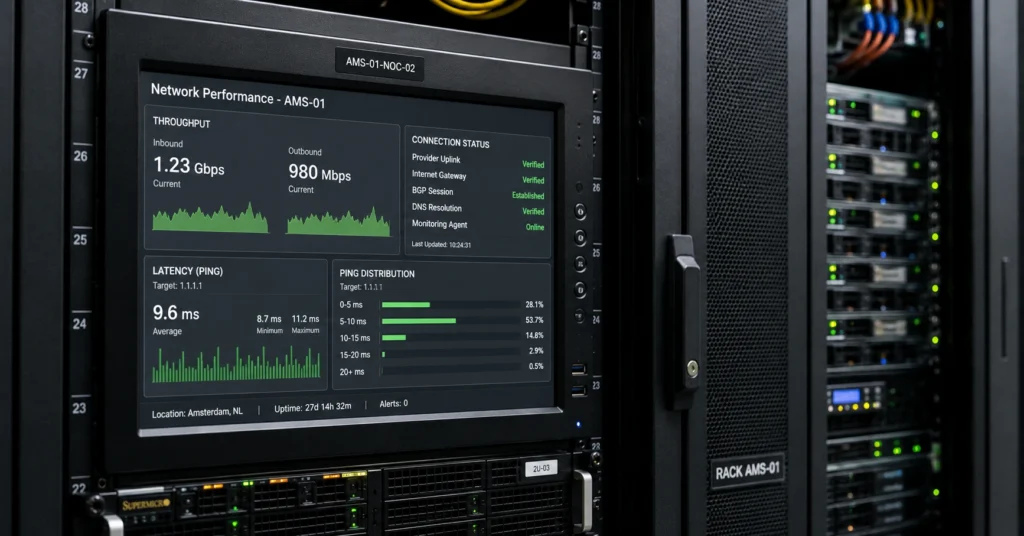
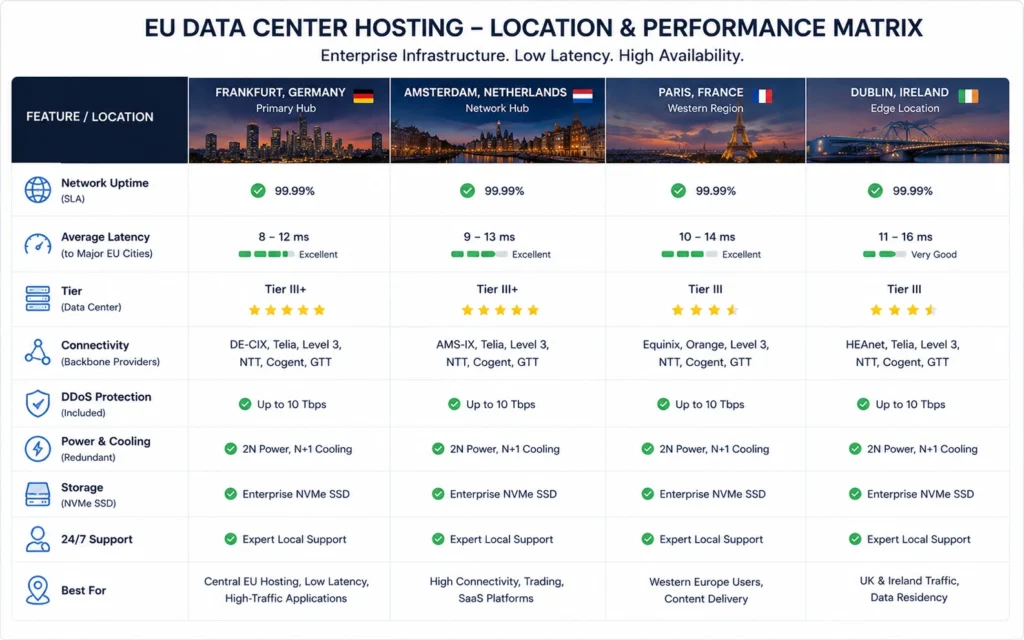
| 1. Baseline Latency: Inside central Europe, WireGuard pings average 8ms to 15ms.      |
| 2. Encryption Minimum: AES-256 or ChaCha20 processing is required for fiber speeds.    |
| 3. Legal Boundaries: EU corporate hubs fall under local data retention mandates.      |
| 4. Primary Alternative: High-privacy Swiss or Swedish hosts outperform offshore nodes.|
| 5. Core Metric: True regional performance depends on direct local peering agreements. |
+---------------------------------------------------------------------------------------+
Direct Answer Block: Finding the Right Balance
The best vpn for europe is determined by how it balances local network performance against specific regional data laws. For high-speed data transmission within the continent, a provider running the WireGuard protocol with physical infrastructure in primary connectivity hubs like Frankfurt, Amsterdam, or London is required.
To protect sensitive data from local retention laws without sacrificing throughput, your optimal path is to avoid generic offshore marketing networks and deploy a dedicated provider based in a neutral European territory like Switzerland or Sweden.
What This Network Layer Rewards — and What It Punishes
European internet infrastructure is among the fastest in the world, but it operates under a fragmented web of data surveillance policies. If you configure a virtual private network (VPN) incorrectly here, you turn a high-speed fiber line into a bottleneck while gaining zero practical privacy.
A VPN does not grant absolute anonymity; it simply transfers your trust from your local internet service provider (ISP) to the server infrastructure of the VPN company.
[Your Device] ---> (Local ISP: Tracks Location) ---> [VPN Server: Encrypts Data] ---> [Target Site]
This structural reality rewards providers that control their own hardware allocations and understand local peering — the direct physical connections between networks inside data exchanges like DE-CIX in Frankfurt. If a provider leases cheap, oversaturated virtual instances from third-party hosting companies, your connection will suffer from high packet loss during peak European evening hours.
The network layer punishes users who choose providers based on affiliate review scores rather than verifiable physical presence and local data center routing rules.
What to Know Before You Start Your Deployment
The primary mistake buyers make in the European market is assuming the General Data Protection Regulation (GDPR) automatically shields their private web traffic. While the GDPR restricts how commercial businesses process your name, email, and billing info, it does not stop national intelligence agencies or local law enforcement from monitoring network nodes.
In several EU member states, local telecommunications laws run completely parallel to data privacy rules, allowing authorities to log metadata directly at the ISP level.
To bypass this tracking, your tunnel must use modern cryptography frameworks. Older connection standards like IKEv2 or OpenVPN introduce significant processing overhead on multi-gigabit connections, which throttles your throughput on modern fiber configurations.
You need to verify that your selected client defaults to the WireGuard protocol — or a validated proprietary variant — which processes data packets directly within the operating system’s kernel to maintain maximum line speeds.
The Parts Worth Building Around: Named and Specific
When deploying a secure connection framework across Europe, three architectural components are non-negotiable for stable operations.
- RAM-Only Core Storage Architecture: Standard hard drives can retain residual session fragments even after system reboots. Look for infrastructure running entirely on volatile random-access memory (RAM) modules, where any physical service disruption or power disconnection completely wipes the host system.
- Native Local Infrastructure Peering: The physical distance between your device and the target server dictates your baseline latency. A provider that owns dedicated hardware in key locations like Paris, Warsaw, and Stockholm will consistently deliver sub-15ms response times, whereas an offshore network routing through poorly configured intermediate relays will spike your ping beyond 60ms.
- Hardware-Level Network Kill Switches: Software-level kill switches can fail if the desktop application crashes or freezes. You need a client that integrates with your operating system’s native firewall rules (like iptables on Linux or WFP on Windows) to permanently block unencrypted packet leaks if the secure tunnel disconnects.
Where It Fits: Regional VPN Speed and Privacy Laws
Choosing the best vpn for europe requires analyzing the corporate headquarters of the provider. If a company is located within an EU member state that enforces the European Data Retention Directive, it faces structural vulnerabilities regarding targeted court orders. (Data laws and jurisdiction rules change without notice).
Sweden and Switzerland serve as the premier geographic choices for European network deployments. Switzerland sits entirely outside both the European Union and the 5/9/14 Eyes electronic surveillance alliances, making its local infrastructure immune to standard cross-border data sharing requests.
Sweden, despite being an EU member, maintains a robust legal framework around local data processing that protects infrastructure operators who choose not to store diagnostic metadata or connection time stamps.
How to Set Up Your European Network Tunnel: Named Steps
Configuring a secure tunnel for maximum European network speed requires moving away from automated wizard settings and manually tailoring your client variables.
Step 1: Force Protocol Selection to Native WireGuard
Open your client’s advanced connection panel and disable any automatic protocol negotiation routines. Manually select WireGuard or its direct equivalent (such as NordLynx) to eliminate the connection lag and processing delays caused by older fallback frameworks like OpenVPN.
Step 2: Configure Local DNS Routing Overriding
Navigate to your network adapter properties or the custom settings tab inside your client app. Insert a dedicated, non-logging domain name system (DNS) address inside the panel to prevent your local ISP from tracking your outbound web requests when the main connection initializes.
Step 3: Activate Firewall-Level App Kill Functionality
Locate the security settings module and enable the advanced kill switch option. Confirm that the tool is configured to run at the system architecture level rather than the application level, ensuring all web traffic is instantly blocked if the secure connection tunnel drops.
Step 4: Run an Independent Endpoint Verification Test
Minimize the client application and launch a clean, un-cached browser window. Navigate to an independent testing site like dnsleaktest.com to confirm that your visible IP address matches your target server node and that your local ISP’s routing identifiers are completely hidden.
What It Actually Costs: Three Regional Cost Tiers
The pricing structure of the European network market is split into distinct operational levels, each delivering different tiers of privacy verification and hardware performance.
Budget Tier: Focus on Bare Utility
Options in this space cost between €2.00 and €4.00 per month on long-term 24-month commitments. (2025–2026 rates — verify before purchase). At this tier, you receive standard shared access to leased virtual machines across major cities, which is sufficient for simple location spoofing but highly susceptible to peak-hour speed reductions.
Mid-Range Tier: Balanced Infrastructure
Priced between €5.00 and €8.00 per month on rolling or annual billing terms, this tier introduces independently audited no-log operational policies and dedicated server arrays. These providers manage their own local network routing configurations and offer consistent performance metrics on high-speed home fiber networks.
Worth-the-Splurge Tier: Hardcore Privacy Architecture
Costing over €9.00 per month, this operational tier provides access to multi-hop physical server setups, custom desktop clients, and entirely self-owned data centers. These services do not use tracking pixels on their product pages, allow anonymous account creation without an email address, and accept cash payments delivered directly to their physical offices.
What to Use Instead of the Obvious Corporate Choice
The obvious choice for most buyers is to click on a major commercial brand that sponsors mass-media content. These networks function adequately for basic streaming geo-unblocking, but their massive user bases mean their shared IP address ranges are continuously flagged by financial institutions and digital platforms, leading to constant security verification prompts.
Instead of a generic offshore conglomerate, look toward dedicated regional choices like Mullvad VPN (headquartered in Sweden) or Proton VPN (operating out of Switzerland). Mullvad operates on a flat pricing structure of €5.00 per month regardless of contract length, requires zero personal data to open an account, and allows you to pay via physical cash sent through the mail.
(Audit records and policy details change — verify at provider’s site before publishing). Proton VPN provides a robust Swiss infrastructure and open-source client applications that undergo regular independent security examinations, making it the superior path for users who prioritize corporate transparency and strict legal boundaries.
Frequently Asked Questions About the Best VPN for Europe
Does the GDPR protect my data if my VPN provider is based outside Europe?
The General Data Protection Regulation only binds providers operating within the EU or processing data of EU citizens. If your provider is headquartered in an offshore tax haven with no local legal presence, enforcing your right to data erasure or access is practically impossible if they choose to log your traffic.
Why do European servers show significantly higher ping rates on weekend evenings?
Server congestion occurs when standard residential users saturate shared commercial nodes for streaming local content libraries. This bandwidth strain increases packet round-trip time, which causes higher ping rates and intermittent buffering unless the provider maintains a dedicated local server infrastructure.
Can an EU member state legally force a verified no-log VPN to hand over data?
A court order can compel a provider to hand over hardware or physical infrastructure within that nation. However, if the service runs an independently audited, RAM-only setup, there are no active configuration databases or session logs stored on the server to retrieve.
Continue Exploring
- Real-World Network Tool Breakdowns Compare detailed testing data, connection drop profiles, and pricing structures for top privacy tools outside the corporate marketing machine.
- Fixing Connection Drops Learn the step-by-step process for identifying and resolving routing errors, protocol conflicts, and local Wi-Fi disconnect issues on desktop clients.